
MEET YOUR MENTORS
Virtual mentor Zoom links will be shared via Discord. You can also access the sign up sheet HERE. Frequent and iterative feedback from mentors is essential for success at H2AI.
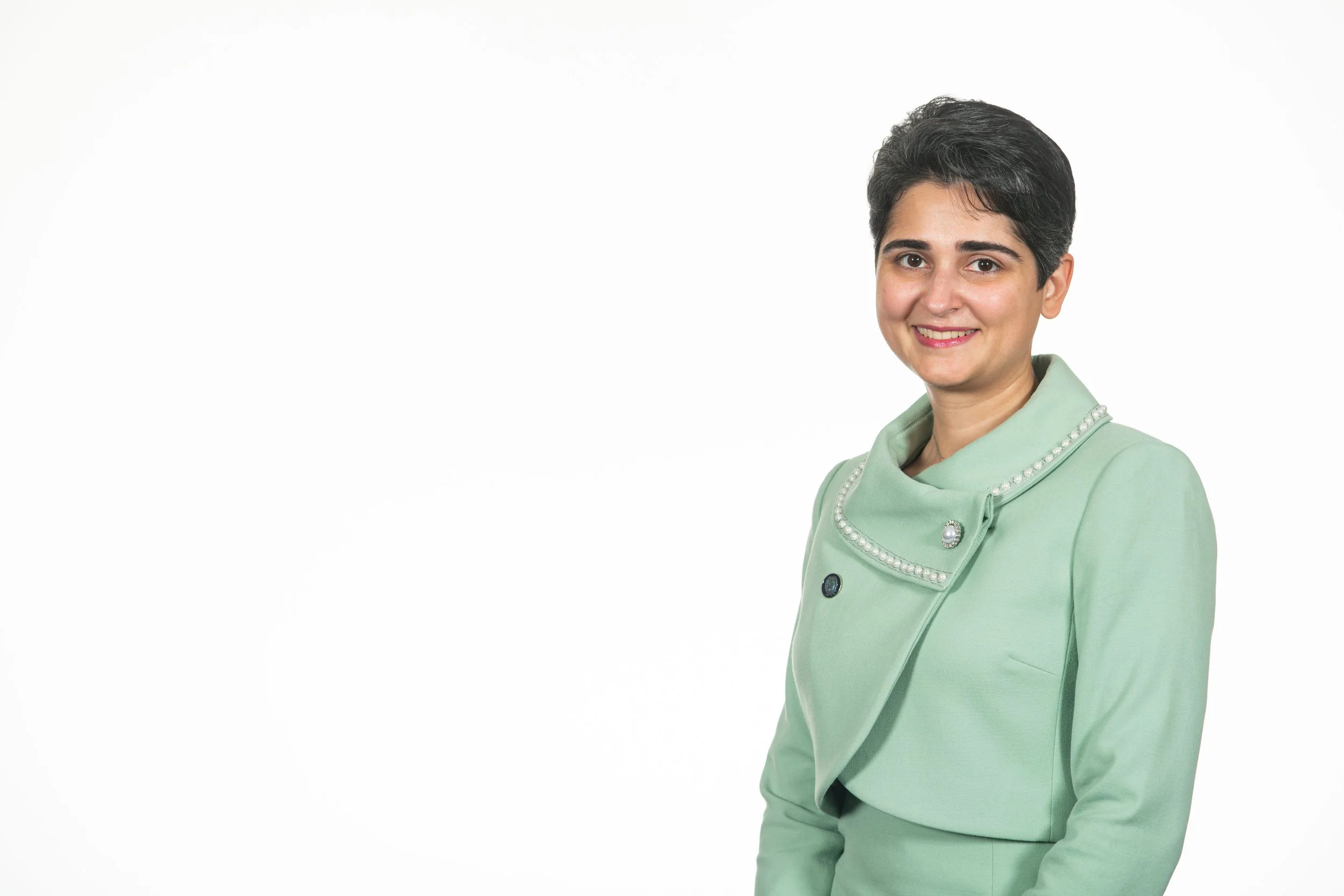
Emisa Nategh, PhD (virtual)
Emisa Nategh is an Assistant Teaching Professor. Her research explores how AI and machine learning shape healthcare operations and organizational decision-making, drawing on perspectives from Science and Technology Studies to understand the practices and interactions that emerge around AI systems. She focuses on human-AI interaction — how people use and respond to AI-driven advice — and on developing equitable, data-driven algorithms for health analytics and social good.
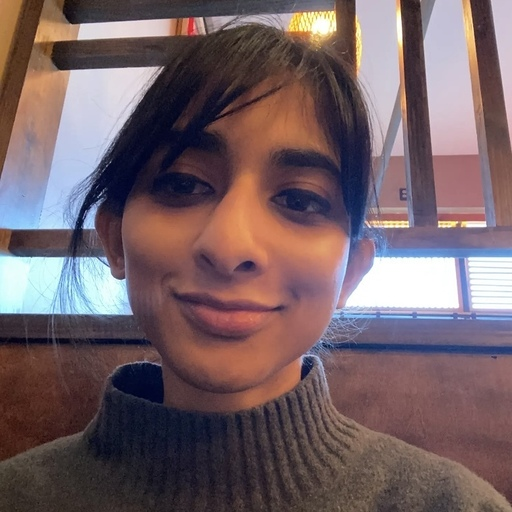
Vidya Giri (virtual)
Vidya Giri is currently a Senior Software Engineer at Suki! Her company works on developing ambient clinical intelligence to help clinicians be more present in their workflows. She has previous experience working across design and development in the engineering + healthcare + consumer industries, ranging from large companies like Epic to startups like Suki, Arundo, and Beli. https://www.linkedin.com/in/vidyagiri/

Francelie Ovalie, RN (virtual)
Francelie Ovalle is a registered nurse specializing in cardiac and preoperative care. She provides guidance on workflow optimization, documentation practices, and building user-focused digital health solutions.

Christon Hill
Christon Hill is the Program Manager for Georgetown Tech Ventures in Georgetown University’s Office of Technology Commercialization, where he builds programs, partnerships, and founder support pathways that help translate research into commercially viable ventures. In that role, he has helped expand Georgetown’s venture pipeline, develop entrepreneurship curricula, connect researchers with mentors and capital, and support startup formation across the university ecosystem. As a Marine Ground Intelligence Officer, EMT, and a graduate of Georgetown’s Biotechnology program with additional training in the technical fundamentals of generative AI through Stanford, he brings a practical perspective on moving emerging AI from concept to real-world healthcare impact.

Ibrahim Bola Gobir, MBBS, MSc, MA
Dr. Gobir has over 20 years of experience in public health and comparative health systems, with focus on evidence-based policy to address community-level health challenges. His work centers on infectious diseases, particularly HIV and TB, as well as health security and health informatics. He has led large-scale training, care, treatment, research, and digital health initiatives across Nigeria, developing sustainable solutions for public health programs. His projects, funded by the US CDC, U.S. Department of State, CDC Foundation, Global Fund, and Gates Foundation, span Africa. He is an Assistant Professor at Georgetown University and the CEO of Georgetown Global Health Nigeria.

Jeff Jacobs, PhD
Jeff Jacobs is an Assistant Teaching Professor of Data Science and Public Policy at Georgetown. His research focuses on AI ethics and the labor market impacts of AI systems used in hiring, workplace monitoring, and collective bargaining processes. He has also served as a data consultant for organizations like Médecins Sans Frontières and UNRWA, utilizing GIS tools to improve allocation of personnel and delivery of emergency aid.
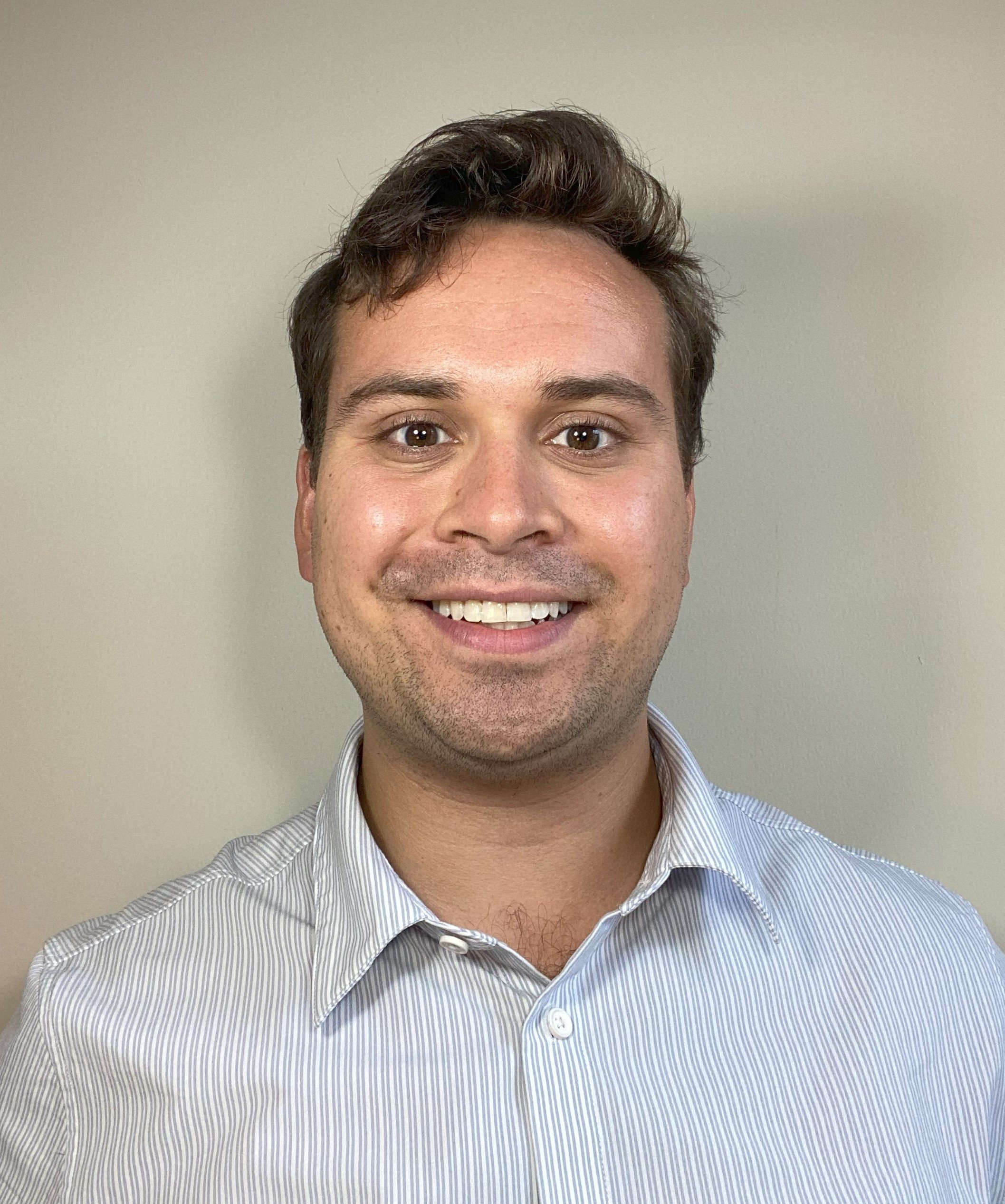
Stefan Lehman
Stefan Lehman is a Senior AI & Apps Solution Engineer in Microsoft's Healthcare & Life Sciences (HLS) division, specializing in generative AI, multi-agent orchestration, machine learning, and data science. He brings a unique, domain-specific lens to medical AI, holding a B.S. in Biomedical Engineering from UNC Chapel Hill and an M.S. in Analytics from Georgia Tech. Prior to Microsoft, Stefan spent four and a half years designing and deploying AI solutions as an AI Engineer and Data Scientist within Deloitte’s healthcare and life sciences practices. He is a passionate hackathon competitor, most recently securing 3rd place at the Mistral AI Worldwide Hackathon and participating in the Kaggle MedGemma Impact Challenge, and is focused on building impactful, scalable AI solutions for the medical field.

Stephen Fernandez, MPH (virtual)
Stephen is the Manager of Clinical Informatics at the Center of Biostatistics, Informatics and Data Science. He has over 20 years of clinical research experience, specializing in data extraction and data management services for clinical research. He is also the Education director for AI Colab, a joint collaboration between MedStar and Georgetown to help with AI and Healthcare education and research initiatives.
Charles Gabrial (virtual)
Charles Gabrial is the Digital Health Interoperability Standards Program Manager for the Electronic Health Record Modernization. He leads health standards to enhance interoperability and advance data sharing. Charles Gabrial collaborates, proposes, and reviews national health policies with multiple large agencies, including the Department of Veterans Affairs, the Department of Defense, and the Office of the Assistant Secretary for Technology Policy

Michael Taylor, PhD (virtual)
Mike is an Assistant Teaching Professor at Carnegie Mellon and has taught 15-112 Fundamentals of Programming and Computer Science since the fall 2018 semester. This semester he is teaching 15-113 Effective Coding with AI ( https://www.cs.cmu.edu/~113/ ), a project-based course designed to give students an edge in their early technical careers. His interests include robotics, retro technology, synthesizers, music, and axolotls.

Michael McShea (virtual)
Mike is a Group Chief Scientist at JHU Applied Physics Lab for a group called Health and Human-Machine Systems, deploying AI for the Military Health System to help with medical readiness. He was formerly a product executive at Philips Healthcare with a product portfolio that included AI based clinical decision support and population health capabilities, and a member of the board of directors of CareFirst BCBS of Maryland, where he served as Maryland Board Chair.
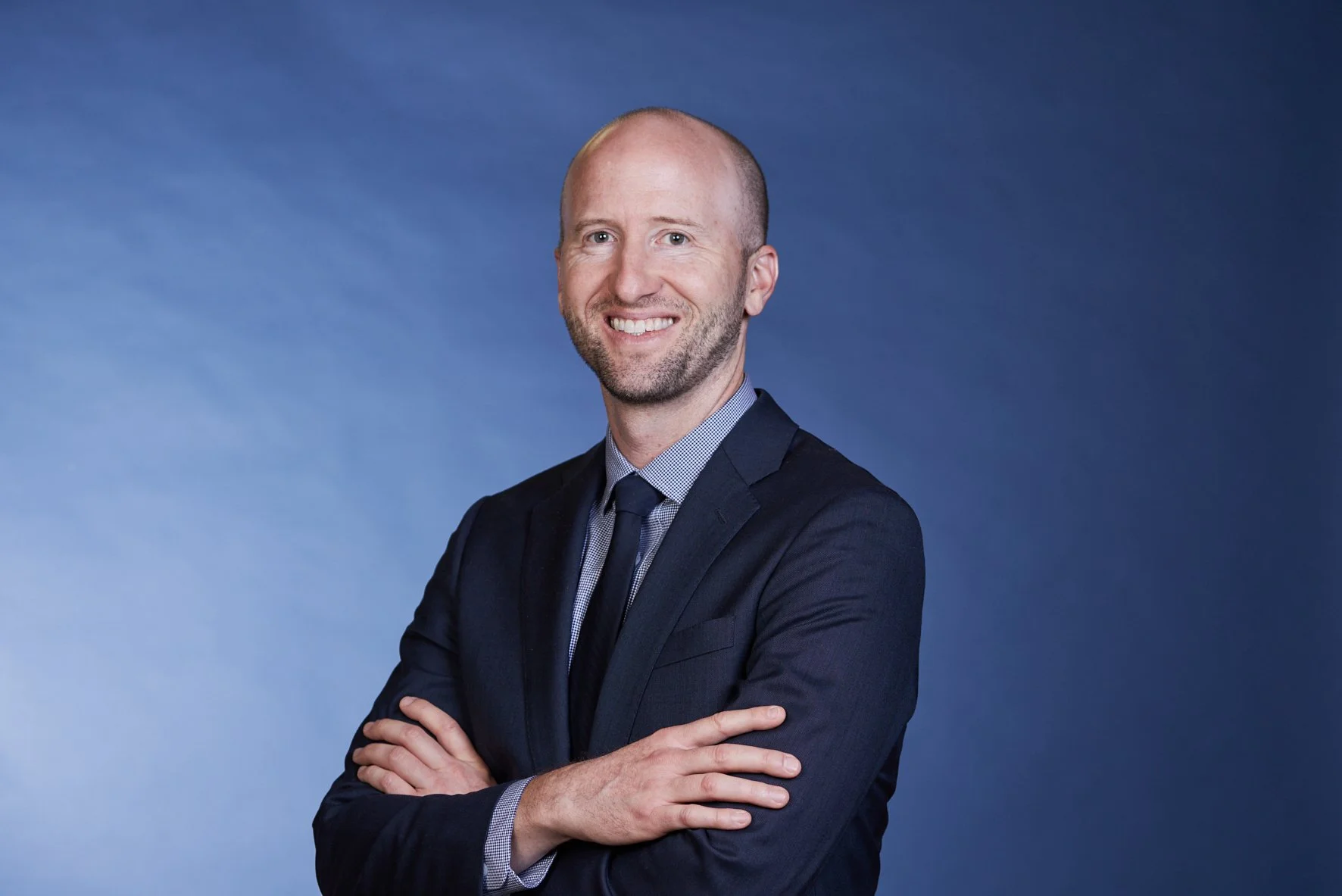
Ross Filice, MD (virtual)
Ross is a Professor of Radiology in the Department of Radiology at MedStar Georgetown University Hospital where he also serves as Chief of Imaging Informatics and the Director of Research.

Christopher Spevak, MD MPH JD (virtual)
Dr. Spevak is a Professor of Anesthesiology at Georgetown School of Medicine and a Clinical Ethicist at the Pellegrino Center for Clinical Bioethics. With expertise in medicine, law, and public health, he provides guidance on ethics and legal considerations in healthcare innovation.
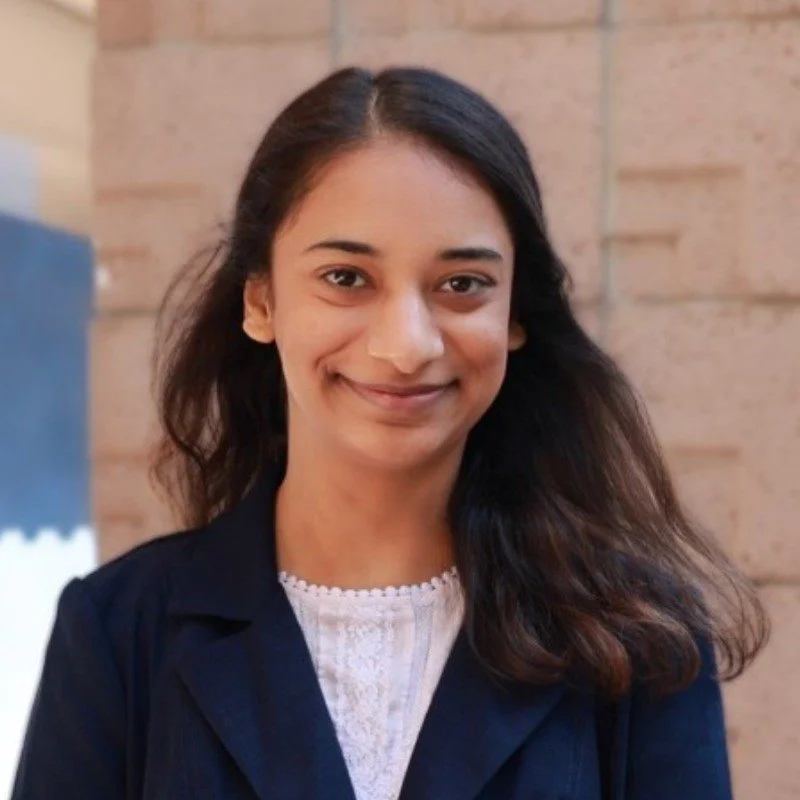
Harini Pathak (virtual)
Harini is a Product Manager who has built AI-powered products across voice assistants, monetization platforms, and digital payments, including wellness experiences on Amazon Alexa used by over 10 million people globally. At Suki, she focuses on improving clinical workflows and documentation quality across care settings, helping make life easier for clinicians while building trust in AI. She is passionate about designing thoughtful, human-centered products. Outside of work, she enjoys making music, dancing, and teaching meditation retreats.
Emisa Nategh, PhD
Emisa Nategh is an Assistant Teaching Professor. Her research explores how AI and machine learning shape healthcare operations and organizational decision-making, drawing on perspectives from Science and Technology Studies to understand the practices and interactions that emerge around AI systems. She focuses on human-AI interaction — how people use and respond to AI-driven advice — and on developing equitable, data-driven algorithms for health analytics and social good.
Christon Hill
Christon Hill is the Program Manager for Georgetown Tech Ventures in Georgetown University’s Office of Technology Commercialization, where he builds programs, partnerships, and founder support pathways that help translate research into commercially viable ventures. In that role, he has helped expand Georgetown’s venture pipeline, develop entrepreneurship curricula, connect researchers with mentors and capital, and support startup formation across the university ecosystem. As a Marine Ground Intelligence Officer, EMT, and a graduate of Georgetown’s Biotechnology program with additional training in the technical fundamentals of generative AI through Stanford, he brings a practical perspective on moving emerging AI from concept to real-world healthcare impact.
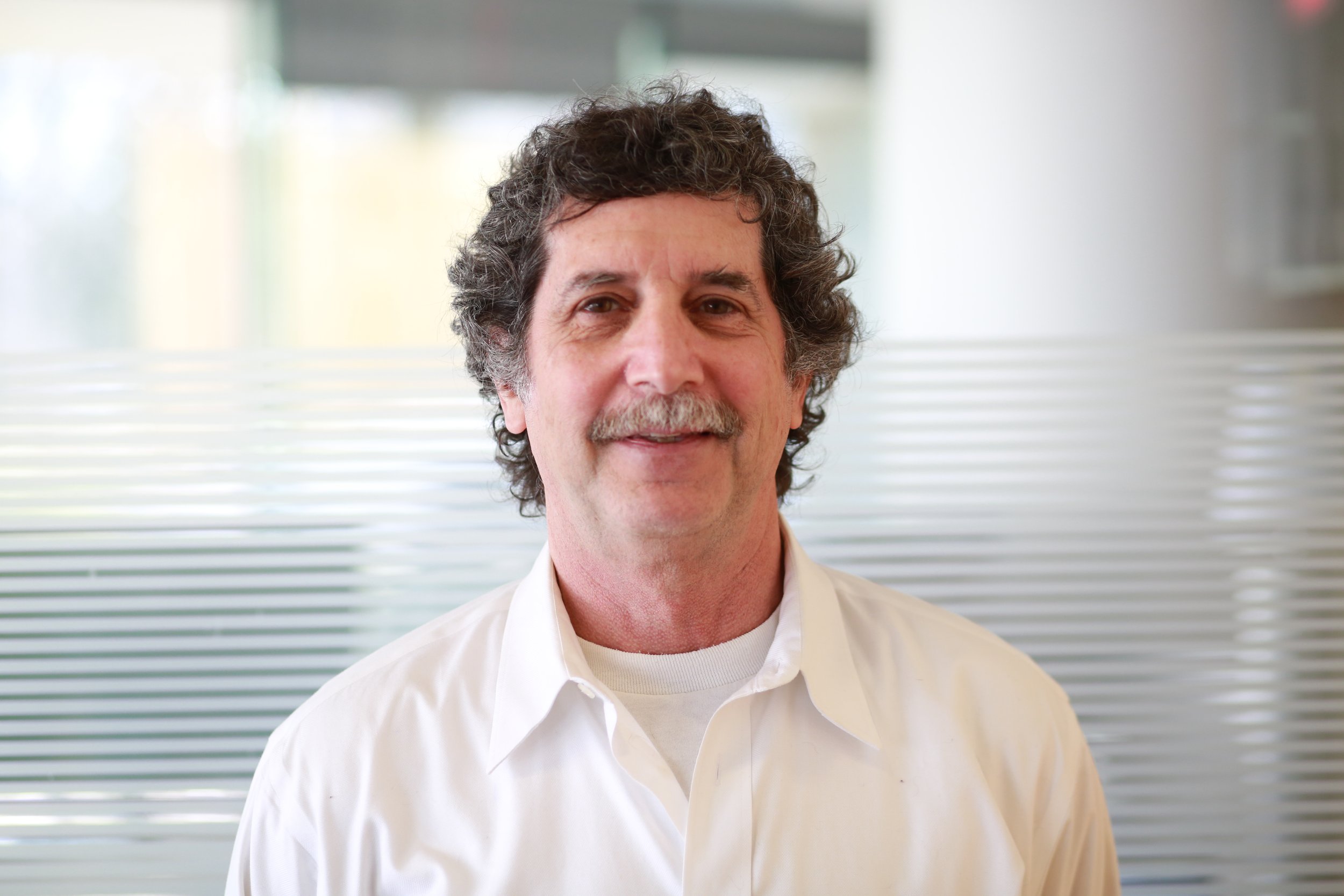
Hank Rappaport, MD
Hank Rappaport is a Senior Clinical Informaticist in the MedStar Institute for Innovation, a setting in which he creates novel applications of information technology to meet the needs of the healthcare environment. Areas of interest include data analytics, workflow and quality improvement, care coordination, and applications of 3D printing in healthcare. Previously, he held positions in Microsoft’s Health Solutions Group and with the Department of Veterans Affairs, helping to build electronic medical records and hospital information system environments. Hank holds bachelor’s and master’s degrees from MIT, went to medical school at Thomas Jefferson University in Philadelphia, and did his Pulmonary and Critical Care fellowship at UCLA. He is a member of the inaugural class of diplomats certified in Clinical Informatics from the American Board of Preventive Medicine.
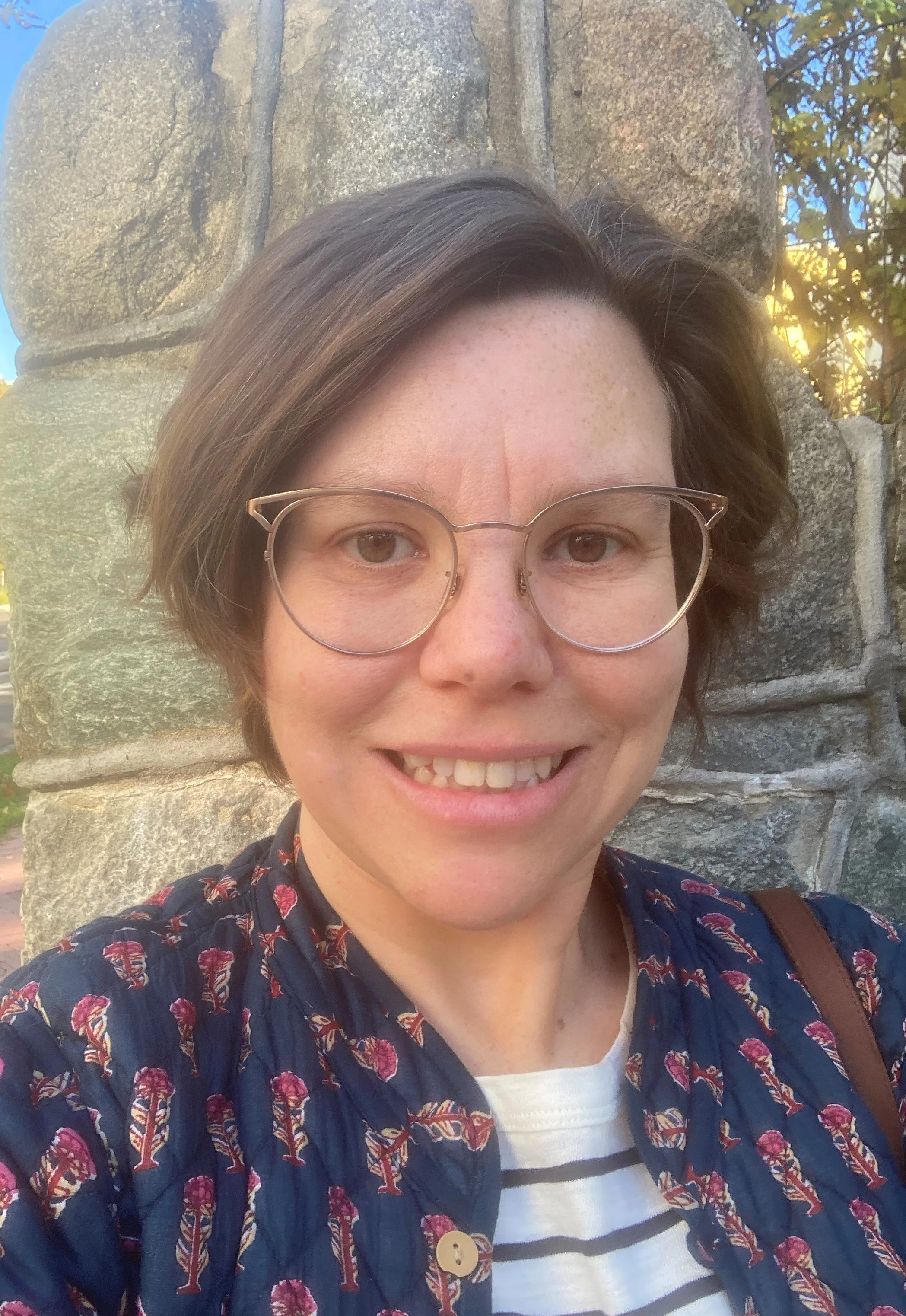
Denise Liberton, PhD
Dr. Liberton is a Senior AI Data Scientist at the MedStar Health AI Center of Excellence. After working in the federal government as a rare disease researcher and data scientist, she brings expertise in the training and evaluation of AI and ML models for responsible use in business and clinical workflows.

Chris Richter, MD
Chris Richter, MD, FACEP, serves as vice president of medical operations for MedStar Medical Group, where he is responsible for the fiscal and operational management of Emergency Medicine, Hospital Medicine, Critical Care, Palliative Care, Radiology, and Pathology.
Charles Gabrial
Charles Gabrial is the Digital Health Interoperability Standards Program Manager for the Electronic Health Record Modernization. He leads health standards to enhance interoperability and advance data sharing. Charles Gabrial collaborates, proposes, and reviews national health policies with multiple large agencies, including the Department of Veterans Affairs, the Department of Defense, and the Office of the Assistant Secretary for Technology Policy.
Stefan Lehman
Stefan Lehman is a Senior AI & Apps Solution Engineer in Microsoft's Healthcare & Life Sciences (HLS) division, specializing in generative AI, multi-agent orchestration, machine learning, and data science. He brings a unique, domain-specific lens to medical AI, holding a B.S. in Biomedical Engineering from UNC Chapel Hill and an M.S. in Analytics from Georgia Tech. Prior to Microsoft, Stefan spent four and a half years designing and deploying AI solutions as an AI Engineer and Data Scientist within Deloitte’s healthcare and life sciences practices. He is a passionate hackathon competitor, most recently securing 3rd place at the Mistral AI Worldwide Hackathon and participating in the Kaggle MedGemma Impact Challenge, and is focused on building impactful, scalable AI solutions for the medical field.
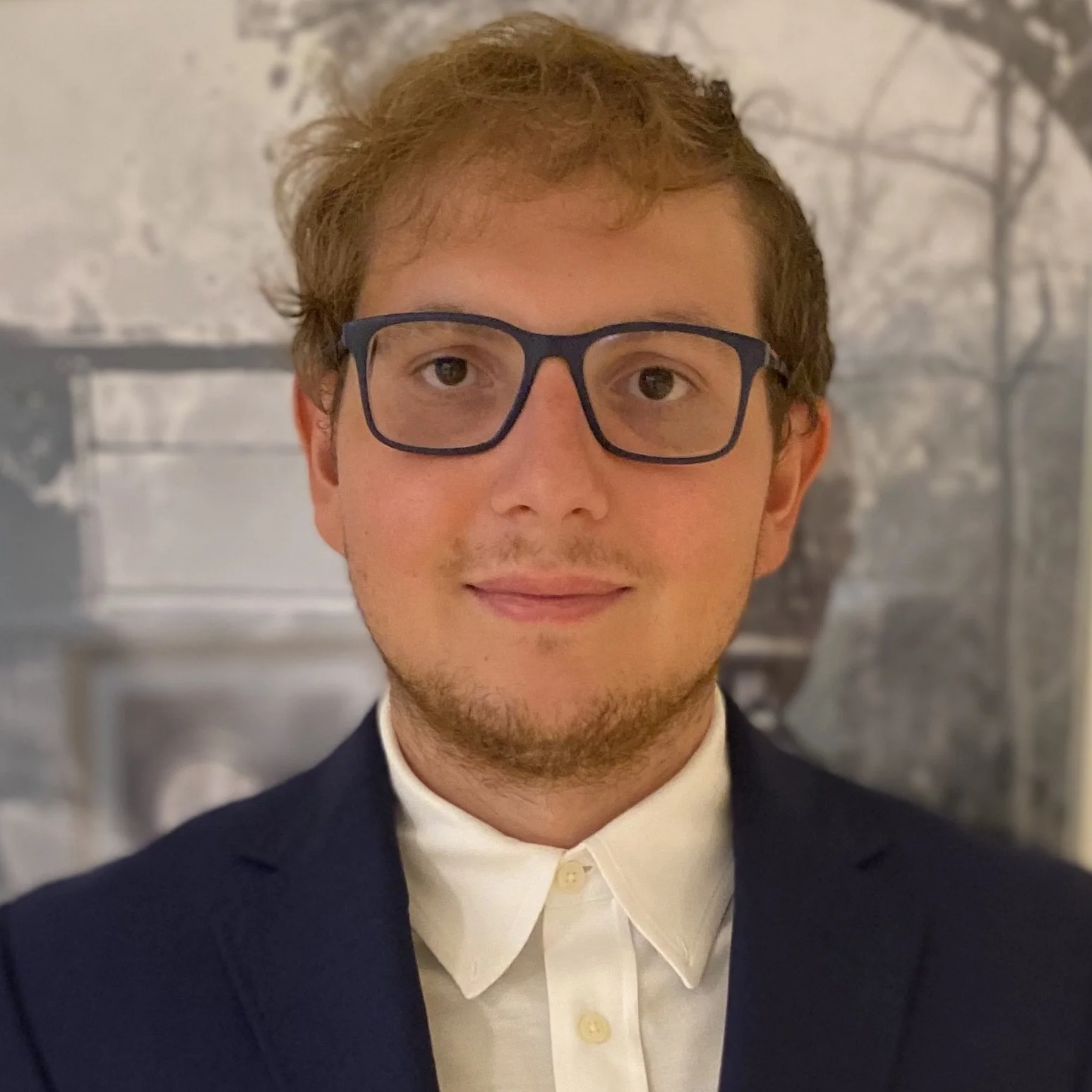
Aladin Aljaberi
Aladin brings experience in biopharma strategy and entrepreneurship, having worked with leading life sciences organizations through roles in research organizations and healthcare consulting firms. He is currently finishing his MBA at Georgetown and will be joining strategy consulting this summer, with a focus on solving complex challenges at the intersection of healthcare and innovation.
Michael Taylor, PhD (virtual)
Mike is an Assistant Teaching Professor at Carnegie Mellon and has taught 15-112 Fundamentals of Programming and Computer Science since the fall 2018 semester. This semester he is teaching 15-113 Effective Coding with AI ( https://www.cs.cmu.edu/~113/ ), a project-based course designed to give students an edge in their early technical careers. His interests include robotics, retro technology, synthesizers, music, and axolotls.
Emisa Nategh, PhD (virtual)
Emisa Nategh is an Assistant Teaching Professor. Her research explores how AI and machine learning shape healthcare operations and organizational decision-making, drawing on perspectives from Science and Technology Studies to understand the practices and interactions that emerge around AI systems. She focuses on human-AI interaction — how people use and respond to AI-driven advice — and on developing equitable, data-driven algorithms for health analytics and social good.
Ibrahim Bola Gobir, MBBS, MSc, MA
Dr. Gobir has over 20 years of experience in public health and comparative health systems, with focus on evidence-based policy to address community-level health challenges. His work centers on infectious diseases, particularly HIV and TB, as well as health security and health informatics. He has led large-scale training, care, treatment, research, and digital health initiatives across Nigeria, developing sustainable solutions for public health programs. His projects, funded by the US CDC, U.S. Department of State, CDC Foundation, Global Fund, and Gates Foundation, span Africa. He is an Assistant Professor at Georgetown University and the CEO of Georgetown Global Health Nigeria.
Jeff Jacobs, PhD
Jeff Jacobs is an Assistant Teaching Professor of Data Science and Public Policy at Georgetown. His research focuses on AI ethics and the labor market impacts of AI systems used in hiring, workplace monitoring, and collective bargaining processes. He has also served as a data consultant for organizations like Médecins Sans Frontières and UNRWA, utilizing GIS tools to improve allocation of personnel and delivery of emergency aid.
Hank Rappaport, MD
Hank Rappaport is a Senior Clinical Informaticist in the MedStar Institute for Innovation, a setting in which he creates novel applications of information technology to meet the needs of the healthcare environment. Areas of interest include data analytics, workflow and quality improvement, care coordination, and applications of 3D printing in healthcare. Previously, he held positions in Microsoft’s Health Solutions Group and with the Department of Veterans Affairs, helping to build electronic medical records and hospital information system environments. Hank holds bachelor’s and master’s degrees from MIT, went to medical school at Thomas Jefferson University in Philadelphia, and did his Pulmonary and Critical Care fellowship at UCLA. He is a member of the inaugural class of diplomats certified in Clinical Informatics from the American Board of Preventive Medicine.
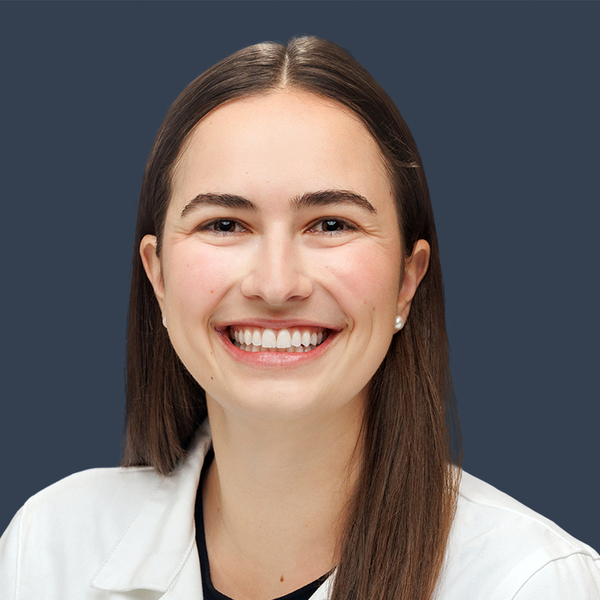
Katherine Raffensperger, MD, MBA
Dr. Raffensperger is a psychiatry resident at Medstar Georgetown with a professional focus on merging her clinical and business backgrounds. She recently competed as a finalist in a startup accelerator competition and received seed funding. She has previously helped lead free clinics and health fairs, enjoys teaching yoga and mindfulness to patients and peers, and diving into research and entrepreneurship as tools for impact and innovation.
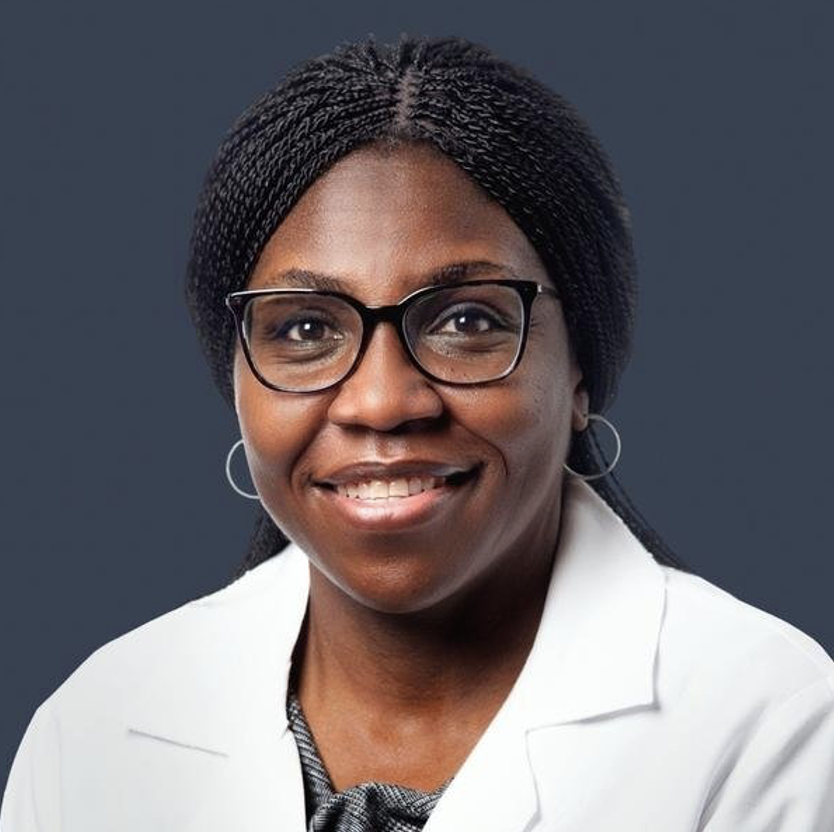
Nnenna Oluigbo, MD
Attending/Primary care physician at Medstar Washington Hospital Center, Associate professor of medicine at GUSOM.
Charles Gabrial (virtual)
Charles Gabrial is the Digital Health Interoperability Standards Program Manager for the Electronic Health Record Modernization. He leads health standards to enhance interoperability and advance data sharing. Charles Gabrial collaborates, proposes, and reviews national health policies with multiple large agencies, including the Department of Veterans Affairs, the Department of Defense, and the Office of the Assistant Secretary for Technology Policy
Aladin Aljaberi
Aladin brings experience in biopharma strategy and entrepreneurship, having worked with leading life sciences organizations through roles in research organizations and healthcare consulting firms. He is currently finishing his MBA at Georgetown and will be joining strategy consulting this summer, with a focus on solving complex challenges at the intersection of healthcare and innovation.
Michael McShea
Michael McShea is the Chief Scientist at Johns Hopkins Applied Physics Laboratory, advancing AI, telehealth, and clinical decision support for the Military Health System. He chairs the CareFirst Maryland Affiliate Board, serves on the CareFirst BlueCross BlueShield Board, and advises on AI-driven patient safety.
Emisa Nategh, PhD
Emisa Nategh is an Assistant Teaching Professor. Her research explores how AI and machine learning shape healthcare operations and organizational decision-making, drawing on perspectives from Science and Technology Studies to understand the practices and interactions that emerge around AI systems. She focuses on human-AI interaction — how people use and respond to AI-driven advice — and on developing equitable, data-driven algorithms for health analytics and social good.
Christon Hill
Christon Hill is the Program Manager for Georgetown Tech Ventures in Georgetown University’s Office of Technology Commercialization, where he builds programs, partnerships, and founder support pathways that help translate research into commercially viable ventures. In that role, he has helped expand Georgetown’s venture pipeline, develop entrepreneurship curricula, connect researchers with mentors and capital, and support startup formation across the university ecosystem. As a Marine Ground Intelligence Officer, EMT, and a graduate of Georgetown’s Biotechnology program with additional training in the technical fundamentals of generative AI through Stanford, he brings a practical perspective on moving emerging AI from concept to real-world healthcare impact.
Stephen Fernandez, MPH
Stephen is the Manager of Clinical Informatics at the Center of Biostatistics, Informatics and Data Science. He has over 20 years of clinical research experience, specializing in data extraction and data management services for clinical research. He is also the Education director for AI Colab, a joint collaboration between MedStar and Georgetown to help with AI and Healthcare education and research initiatives.
Michael McShea
Michael McShea is the Chief Scientist at Johns Hopkins Applied Physics Laboratory, advancing AI, telehealth, and clinical decision support for the Military Health System. He chairs the CareFirst Maryland Affiliate Board, serves on the CareFirst BlueCross BlueShield Board, and advises on AI-driven patient safety.
Christon Hill
Christon Hill is the Program Manager for Georgetown Tech Ventures in Georgetown University’s Office of Technology Commercialization, where he builds programs, partnerships, and founder support pathways that help translate research into commercially viable ventures. In that role, he has helped expand Georgetown’s venture pipeline, develop entrepreneurship curricula, connect researchers with mentors and capital, and support startup formation across the university ecosystem. As a Marine Ground Intelligence Officer, EMT, and a graduate of Georgetown’s Biotechnology program with additional training in the technical fundamentals of generative AI through Stanford, he brings a practical perspective on moving emerging AI from concept to real-world healthcare impact.
Katherine Raffensperger, MD, MBA
Dr. Raffensperger is a psychiatry resident at Medstar Georgetown with a professional focus on merging her clinical and business backgrounds. She recently competed as a finalist in a startup accelerator competition and received seed funding. She has previously helped lead free clinics and health fairs, enjoys teaching yoga and mindfulness to patients and peers, and diving into research and entrepreneurship as tools for impact and innovation.
Stephen Fernandez, MPH
Stephen is the Manager of Clinical Informatics at the Center of Biostatistics, Informatics and Data Science. He has over 20 years of clinical research experience, specializing in data extraction and data management services for clinical research. He is also the Education director for AI Colab, a joint collaboration between MedStar and Georgetown to help with AI and Healthcare education and research initiatives.
Denise Liberton, PhD
Dr. Liberton is a Senior AI Data Scientist at the MedStar Health AI Center of Excellence. After working in the federal government as a rare disease researcher and data scientist, she brings expertise in the training and evaluation of AI and ML models for responsible use in business and clinical workflows.